
Assuming tile protects the wall cavity is the most expensive mistake in bathroom remodeling. A failed green-board cavity behind a shower surround proves that grout and panel seams let water through every single day, rotting studs within months. The waterproofing membrane carries the entire burden of keeping the framing dry, whether you install ceramic tile or a solid-surface wall panel for shower enclosures.
Contents
- Do you need to waterproof behind tiles or shower wall panels?
- Why standard drywall and green board fail as shower substrates
- Liquid-applied versus sheet membranes for shower walls
Key takeaways
- Yes, every shower assembly requires a continuous waterproofing layer behind the finish material.
- Standard gypsum drywall and moisture-resistant green board lack the structural integrity and water resistance required for direct membrane application in a shower.
- Liquid-applied membranes cure into a seamless, elastomeric barrier, while sheet membranes provide a uniform, factory-controlled thickness bonded with thin-set mortar.
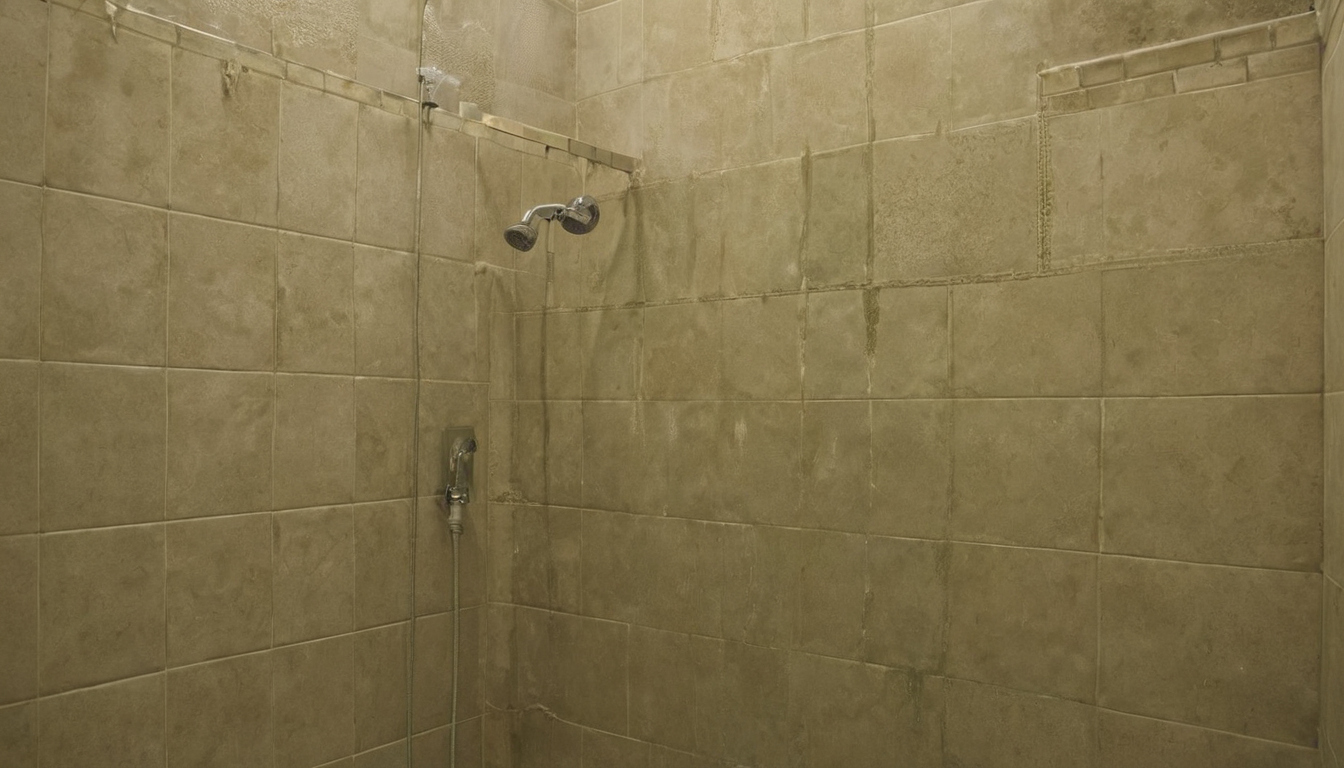
Waterproof the Shower Walls Before a Single Tile Goes Up.
Do you need to waterproof behind tiles or shower wall panels?
Yes, every shower assembly requires a continuous waterproofing layer behind the finish material. Water migrates through grout joints and panel seams. Without a membrane bonded directly to an approved substrate, moisture rots framing and delaminates drywall. Grout is porous. Even epoxy grout leaves microscopic gaps at the perimeter where the field meets the fixture flange or the corner bead. A wall panel for shower installations depends on sealed seams and adhesive bonds that eventually allow vapor transmission during long hot showers. Your choice between shower tile ideas and prefabricated panels determines the look, but the membrane determines the lifespan of either finish.
The International Residential Code addresses this requirement directly. IRC Section P2708 governs shower compartments and mandates that the walls be constructed of a smooth, nonabsorbent surface extending to a height of not less than 6 feet above the room floor level, with the area subject to direct water spray protected by an approved waterproof lining. Plumbing inspectors look for that continuous barrier before they sign off on the rough-in inspection. The code does not distinguish between a tiled niche and a glued acrylic surround; both installations require a verified waterproof substrate assembly behind the visible face.
The Tile Council of North America Handbook classifies shower interiors as wet areas, meaning surfaces exposed to direct water saturation rather than occasional dampness. TCNA methods such as B415 and B421 specify the exact sequence of materials required to build a compliant shower receptor and wall assembly. These methods start with the framing, move to the approved backer board, require the waterproofing membrane, and end with the finish layer. Skipping any step or substituting an unapproved material voids the method and shifts the liability for failure entirely onto the installer and the homeowner.
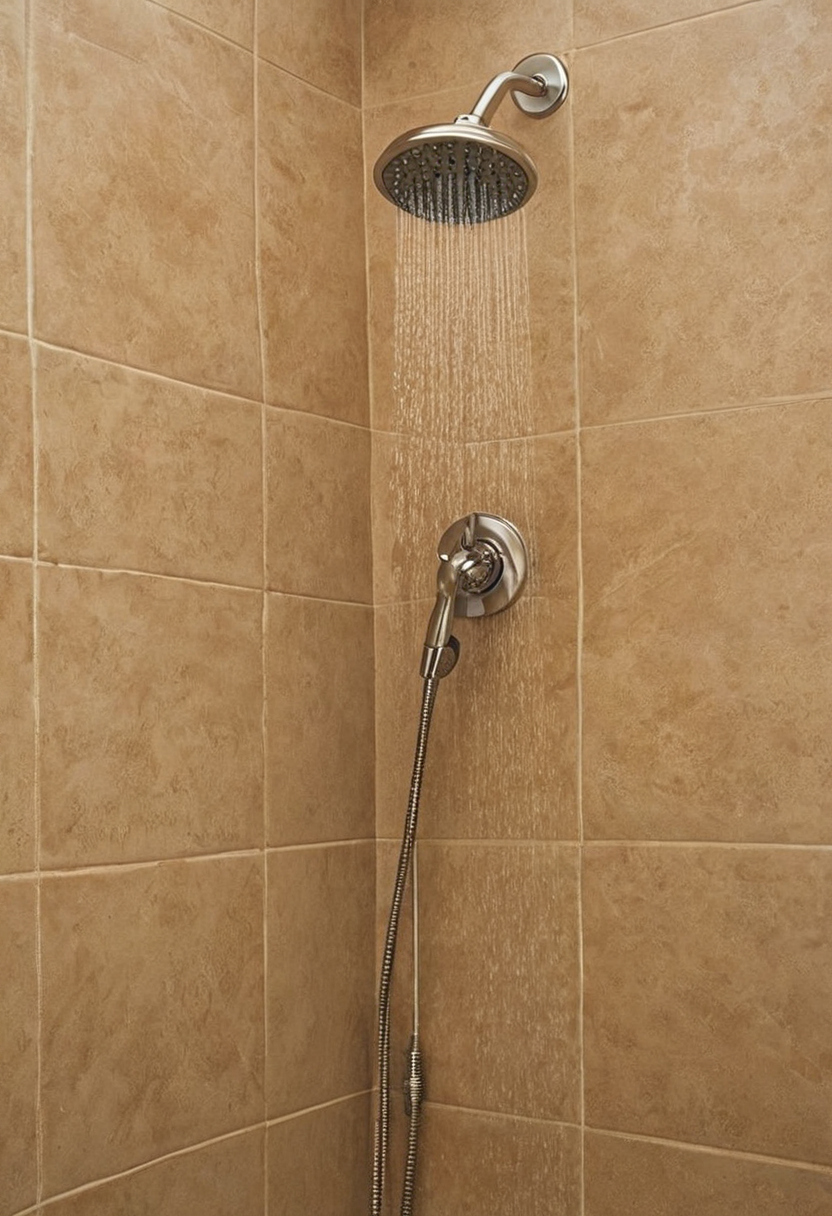
Do you need to waterproof behind tiles or shower wall panels.
Moisture trapped inside a wall cavity creates biological hazards quickly. The U.S. Environmental Protection Agency states that mold growth begins when mold spores land on surfaces that are wet, and there is no way to eliminate all mold indoors without controlling moisture sources. A shower wall is a constant moisture source if the membrane fails. The EPA further warns that if water-damaged porous materials like drywall are not dried completely within 24 to 48 hours, mold growth is likely to occur inside the material. Behind a finished shower wall, drying takes weeks or never happens at all because the tile or panel traps humidity against the gypsum core.
Controlling moisture also requires mechanical ventilation. Exhaust fans remove humid air before it condenses on cooler surfaces outside the shower enclosure. When specifying the fan housing or the vanity lighting nearby, consider that ENERGY STAR qualified LED lighting uses at least 75 percent less energy and lasts up to 25 times longer than incandescent lighting. Longer-lasting LEDs mean fewer bulb changes in a ceiling fixture positioned near a running exhaust fan, reducing the chances of disturbing the vapor barrier seal around the electrical box while replacing burnt-out bulbs. Pairing an adequately sized exhaust fan with efficient lighting keeps the overall bathroom humidity below the threshold where secondary condensation threatens the walls.
To verify the waterproofing plan, read the contractor estimate line by line. Look for a specific membrane product name, the substrate preparation steps, and the square footage covered. Bathroom tile design ideas belong in the showroom, but the waterproofing specification belongs on the contract. If the quote lists only tile and thin-set without naming a membrane, the assembly will fail. Understanding why standard drywall and green board fail as shower substrates explains exactly what must go on the studs before that membrane gets applied.
Why standard drywall and green board fail as shower substrates
Standard gypsum drywall and moisture-resistant green board lack the structural integrity and water resistance required for direct membrane application in a shower. When saturated, these substrates swell, lose fastener pull-out strength, and crumble. Building codes and tile industry standards prohibit their use behind waterproofing in wet areas.
Gypsum cores absorb water through unsealed edges, screw penetrations, and cutouts for valves or showerheads. Green board has a water-resistant paper facing, but the gypsum core underneath remains porous. Once moisture reaches that core, the board expands. Expansion breaks the bond between the substrate and any thin-set mortar or adhesive applied over it. A wall panel for shower system needs flat, stable backing to maintain its seal at the joints; a swelling substrate pushes those joints apart. Ceramic tile installations face the same failure mechanism: grout cracks, tiles tent, and water reaches the framing.
The International Residential Code restricts water-sensitive gypsum backer boards from direct exposure in shower compartments. TCNA Handbook methods B415 and B421 specify approved substrates for bonded waterproof membranes in wet areas, and neither method lists standard drywall or green board as acceptable. Contractors who install cement board or foam-core backers are following these published assembly requirements rather than personal preference.
Material selection also affects indoor air quality during the build. The U.S. Environmental Protection Agency identifies building materials, paints, varnishes, waxes, cleaning products, and furnishings as common indoor sources of volatile organic compounds (EPA: Volatile Organic Compounds’ Impact on Indoor Air Quality). Substrate adhesives, primer coats, and liquid-applied membranes release these compounds during curing. The EPA recommends increasing ventilation when using products that emit volatile organic compounds indoors, which means running exhaust fans or opening windows while the waterproofing layers cure.
What substrate should replace green board before waterproofing?
A contractor preparing a shower wall for either tile or panels must remove any existing green board and install an approved substrate. Check the material name on the delivery ticket or quote against this checklist of TCNA-approved options:
- Cement backer board. Portland cement and aggregate sandwiched between fiberglass mesh. Common thicknesses are 1/2 inch for walls. Cement backer board does not swell or degrade when submerged, making it the baseline choice for heavy stone or large-format ceramic tile.
- Fiber-cement board. Cement reinforced with cellulose fibers. Fiber-cement cuts with less dust than pure cement board and provides a smooth surface for liquid-applied membranes.
- Foam-core tile backer boards. Extruded polystyrene cores faced with cementitious coating and embedded fiberglass mesh. These boards weigh a fraction of cement board, reducing load on wall framing. Foam-core backers work well when installing a lightweight wall panel for shower enclosure because the panels do not require the mass of cement board for support.
Flatness tolerances determine how well the finish adheres to these substrates. Most membrane manufacturers and tile industry guidelines require the substrate surface to be flat within 1/8 inch over a 10-foot span for large-format tile, and within 1/4 inch over 10 feet for standard sizes. A bowed stud wall or uneven seam between boards telegraphs through the finished surface. Ask the contractor to check flatness with a straightedge before applying any waterproofing layer.
Why standard drywall and green board fail as shower substrates.
Fastener selection matters as much as board selection. Cement and fiber-cement boards require corrosion-resistant screws driven flush with the surface without breaking the mesh face. Foam-core boards use specific washers and screws detailed in the manufacturer installation guide. Using drywall screws in a wet area guarantees rust stains and eventual fastener failure.
Choosing the right substrate solves the structural problem, but the board itself is not waterproof. Water will still migrate through seams, screw holes, and corners unless a continuous barrier covers the entire assembly. That barrier comes in two forms: liquid-applied coatings rolled onto the surface, or sheet membranes bonded with thin-set mortar. How each type performs over cement board, fiber-cement, or foam-core backers determines whether your shower tile ideas survive the first five years of daily use.
Liquid-applied versus sheet membranes for shower walls
Liquid-applied membranes cure into a seamless, elastomeric barrier, while sheet membranes provide a uniform, factory-controlled thickness bonded with thin-set mortar. Both protect the substrate if installed correctly. The choice depends on the installer’s skill, the substrate type, and the required curing time before setting your chosen finish.
Laticrete Hydro Ban is a liquid-applied membrane. A contractor rolls or sprays it directly onto cement backer board or foam-core backers. The manufacturer technical data sheet specifies a minimum wet-film thickness, typically achieved by applying two coats at right angles to each other. The first coat must dry to a specific color change before the second coat goes on. Hydro Ban cures into a continuous rubber-like skin that bridges hairline cracks in the substrate. Because the membrane is painted on, it conforms to niches, benches, and odd angles without cutting or folding. The vapor permeance rating sits below 1 perm when cured to the required thickness, classifying it as a vapor retarder that blocks moisture drive into the wall cavity.
Liquid-applied versus sheet membranes for shower walls.
Schluter Kerdi is a sheet membrane. This pliable polyethylene mat has non-woven fabric webbing on both faces to anchor thin-set mortar. The factory produces every square foot at a consistent thickness, removing the risk of an installer rolling a liquid coat too thin in one corner. Kerdi bonds directly to the approved substrate using unmodified thin-set mortar. The seams require a minimum 2-inch overlap sealed entirely in thin-set. With a vapor permeance of 0.9 perms, Kerdi also limits vapor transmission. Homeowners evaluating shower tile ideas or bathroom tile design ideas should understand that the membrane beneath the tile dictates the assembly’s lifespan, not the glaze on the ceramic.
Pipe penetrations require Kerdi-KDS collars or equivalent pipe seals. The plumber cuts a hole in the sheet membrane precisely to the diameter specified in the installation guide, then beds the rubber collar in thin-set over the protruding pipe. Mixing a generic sealant with a proprietary sheet system voids the manufacturer warranty. When pricing a wall panel for shower installation, check whether the panel manufacturer supplies matching corner seals or expects the contractor to fabricate them from flat stock. Pre-formed corners cost more per unit but reduce labor time and eliminate the most common leak points in a tiled shower.
Liquid membranes like Hydro Ban have a different requirement. Laticrete approves specific modified thin-set mortars for use over their cured liquid membrane because the product formulation allows adequate bonding and curing within the assembly. Always read the mortar bag instructions for compatibility with the specific waterproofing product installed.
Tile setters must respect curing windows before applying mortar. A liquid membrane needs full cure time, often 24 hours depending on humidity and temperature, before receiving thin-set. Sheet membranes allow tiling immediately after the bonding mortar under the sheet sets. Regardless of the path chosen, the quote must itemize the membrane brand, the coverage area, and the compatible mortar. Check these three line items before approving any bathroom tile ideas or wall panel for shower system, because the hidden waterproofing layer determines whether the finish survives its first decade.
For more on this topic, see other guides on this site.